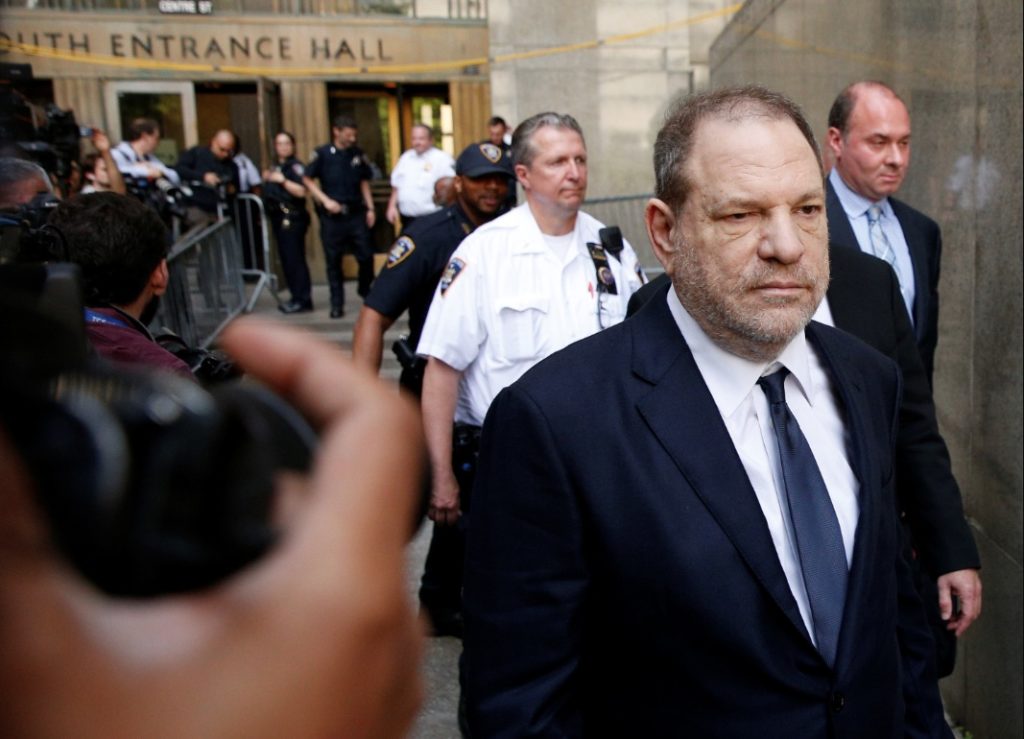
Jodi Kantor:
Oh, what's so confounding is that everything has changed and nothing has changed at the same time.
On the one hand, it really feels like we all lived through a seismic social shift. And there really is lots of evidence, ranging from the period of kind of mass accountability after the story broke, when all of these men were fired or had to leave their jobs, to the fact that there are some new state laws, to the fact that corporations are taking this much more seriously.
We write in-depth about the Weinstein Company, because we try to show how this organization was trying to protect itself, instead of protecting women, and, in the process, it basically destroyed itself.
So, on the one hand, there is all of that change. On the other hand, if you go into the everyday workplace today, especially for low-income women, does anything feel really different? It's still really hard to report. Federal sexual harassment laws are still really weak.
And I think that there's also now a lot of controversy about MeToo, which can sometimes seem like a really productive debate, and sometimes feel like just this huge argument that's not really going anywhere.
So I think the question remains to be seen, what are all of us collectively going to do with this period that we live through? What are we going to tell our grandkids about this era? Are we going to say — are we going to be able to say, I was there when things really shifted, or are they going to be telling us, oh, yes, that still happens at my summer job?
ncG1vNJzZmivp6x7sa7SZ6arn1%2Bjsri%2Fx6isq2ejnby4e9OhnGaqlaW8s8DEq6pmmpWdtq%2BwjKGYq66Vrnq4scinqq2dmaN6tMDOq7Bmp55itbDDjKKrZq%2BRqHqrwdKtZK2glWKvprPIp6Wippdis7C%2BjKacraef